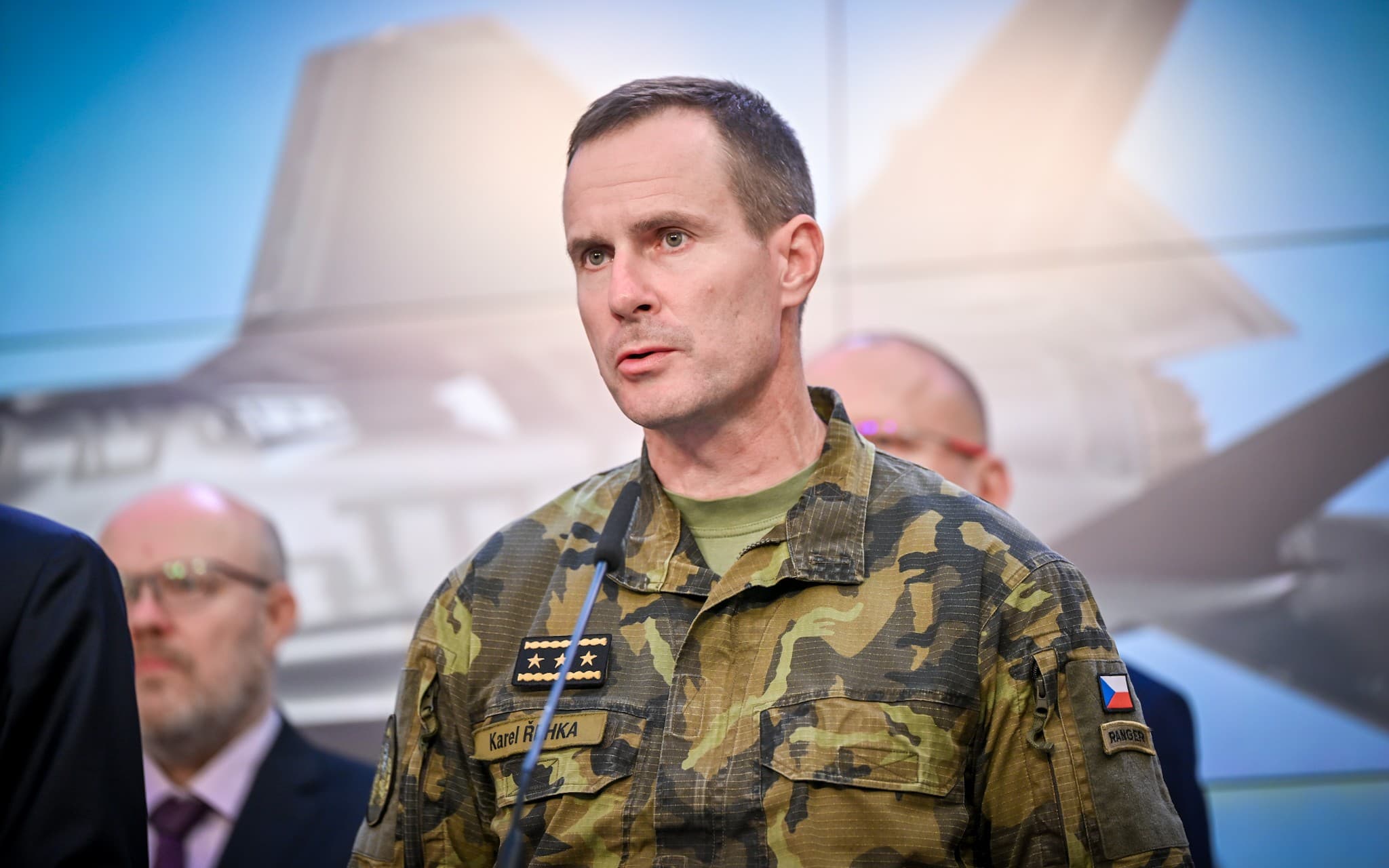
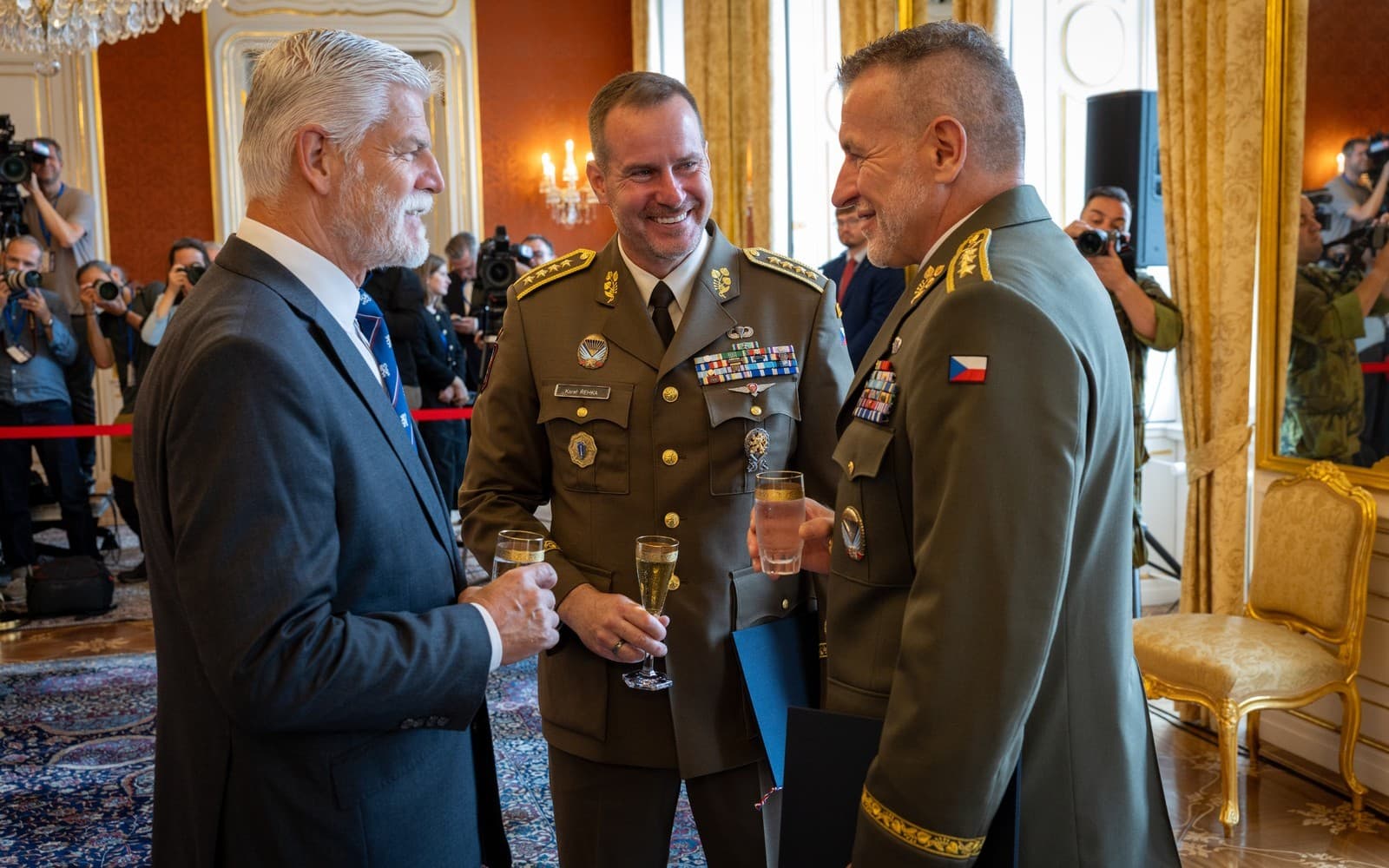
Ex-Army Chief of Staff Karel Řehka told the Hudson Institute in his international debut as a senator last Fri. that the last thing we want Russia to believe is that the United States is leaving Europe and that Europe is weak and not united. The tragedy with regard to the Pentagon's ongoing Europe force posture review, he said, isn't that a brigade or two are being pulled out, but rather how it's done and communicated. When the Russians and Chinese want to weaken our societies and our alliances, he said, they usually find a real problem or some real friction somewhere and attack it, and that's why the bigger problem with regard to the posture review is the strategic communication. In his own speech last night, Pres. Petr Pavel didn't specifically mention Russia, China, Ukraine or the U.S. but said that Czechs are failing to notice or refusing to see clear signs of crises that may arise. "The more obvious and dangerous these crises are," he said, "the more we seem afraid to believe they're real." The tragedy of Pavel's speech, to borrow from Řehka, was the strategic-communication aspect. Instead of explaining to Czechs that they need to forgo expensive foreign vacations and prepare for hard times ahead, Pavel left the impression that his main interest in speaking of crisis is to get Andrej Babiš to spend more on weapons.
FinalWord.by Erik Bestfinalword.cz |
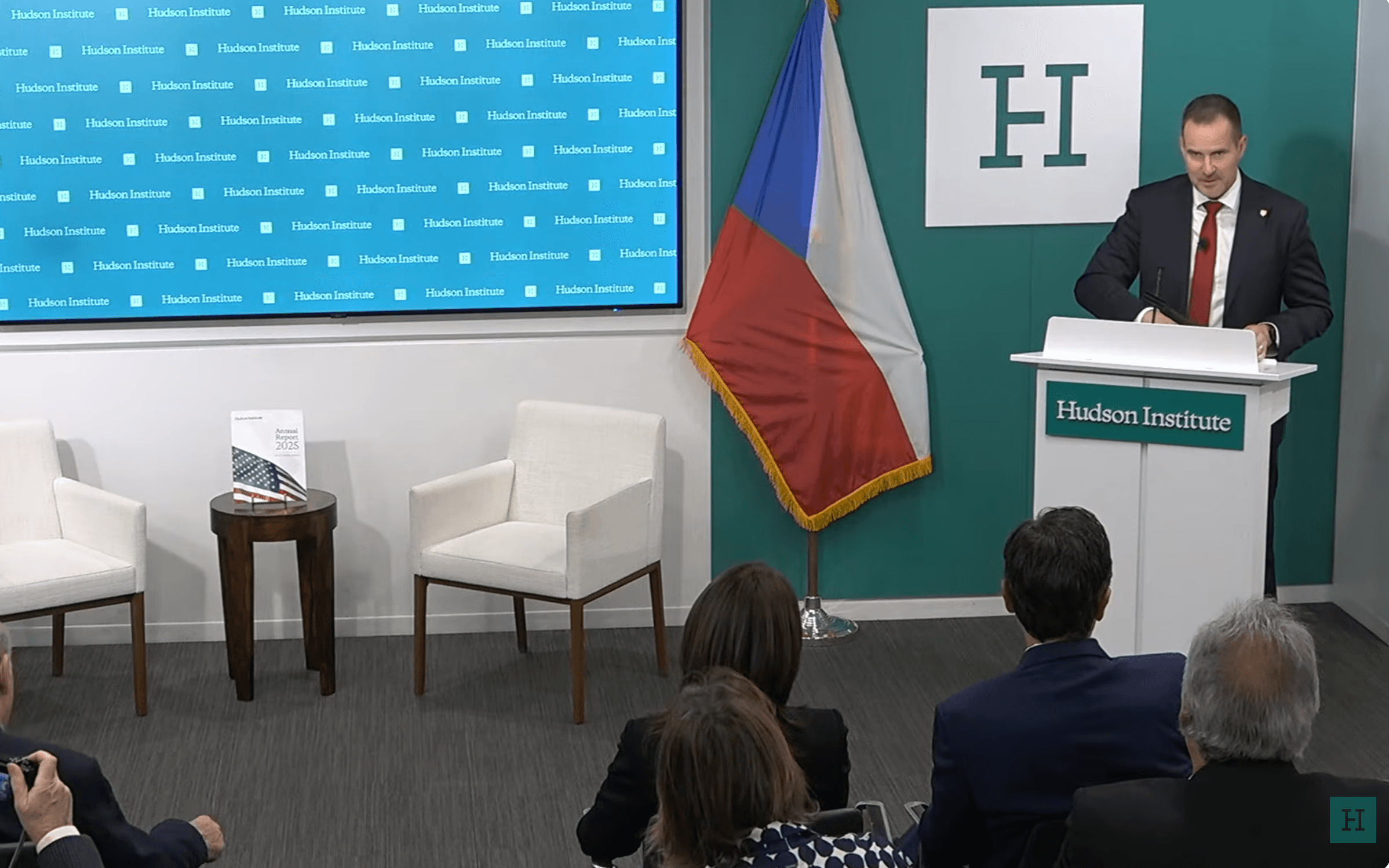 Source: Hudson Institute How the Russians and Chinese do itThu, Oct 29, 2026 Ex-Army Chief of Staff Karel Řehka told the Hudson Institute in his international debut as a senator last Fri. that the last thing we want Russia to believe is that the United States is leaving Europe and that Europe is weak and not united. The tragedy with regard to the Pentagon's ongoing Europe force posture review, he said, isn't that a brigade or two are being pulled out, but rather how it's done and communicated. When the Russians and Chinese want to weaken our societies and our alliances, he said, they usually find a real problem or some real friction somewhere and attack it, and that's why the bigger problem with regard to the posture review is the strategic communication. In his own speech last night, Pres. Petr Pavel didn't specifically mention Russia, China, Ukraine or the U.S. but said that Czechs are failing to notice or refusing to see clear signs of crises that may arise. "The more obvious and dangerous these crises are," he said, "the more we seem afraid to believe they're real." The tragedy of Pavel's speech, to borrow from Řehka, was the strategic-communication aspect. Instead of explaining to Czechs that they need to forgo expensive foreign vacations and prepare for hard times ahead, Pavel left the impression that his main interest in speaking of crisis is to get Andrej Babiš to spend more on weapons. |